


📊 India EV Knowledge Hub · Curated by DIYguru — India's largest ASDC-certified EV training body · 50,000+ alumni · 170+ countries · Call +91-9910918719
📘 EV Industry Knowledge & Policy Hub
The Complete Electric Vehicle Landscape — India & Global 2026
A definitive reference on the EV revolution: market projections, policy frameworks, charging infrastructure, battery recycling, service ecosystem, opportunities, and challenges. Curated by India's largest EV training body.
24.52 L
India EV retail sales FY26 (FADA)
17 M+
Global EV sales 2024 (IEA)
₹10,900 Cr
PM E-DRIVE outlay (Govt of India)
1 Crore
EV jobs projected by 2030 (MSDE)
CURATED IN COLLABORATION WITH


SECTION 1 · INDIA LANDSCAPE
India's Electric Vehicle Market — FY2026 Snapshot
FY2026 was the watershed year for India's EV story. Every category — 2W, 3W, PV and CV — delivered double-digit growth, with the country crossing 24.52 lakh EV retail registrations.
From Niche to Mainstream
India's electric mobility transition has moved decisively from policy ambition to mass-market reality. According to the Federation of Automobile Dealers Associations (FADA), total EV retail sales in India grew 24.6% to reach 24.52 lakh units in FY2026, with every category registering double-digit growth.
FADA President CS Vigneshwar called FY2026 a "watershed year" for India's electric mobility story — and the data backs it up. Electric two-wheelers crossed 14.01 lakh units, electric three-wheelers reached 8.30 lakh units, and electric passenger vehicles surged 83.63% to 1,99,923 units. Electric commercial vehicles posted the most dramatic jump of 120.57% YoY.
India EV Retail Sales — FY2026 by Segment
Total: 24.52 lakh units · Growth: +24.6% YoY · Source: FADA, April 2026
Source: FADA India EV Retail Sales Report, April 2026
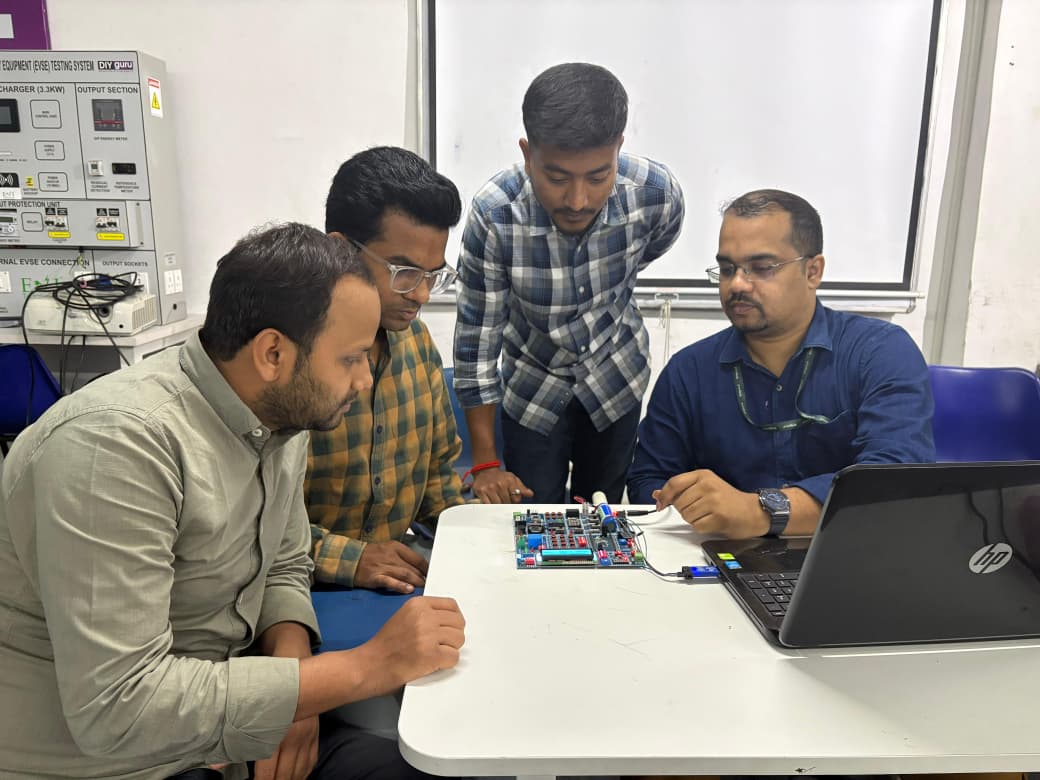
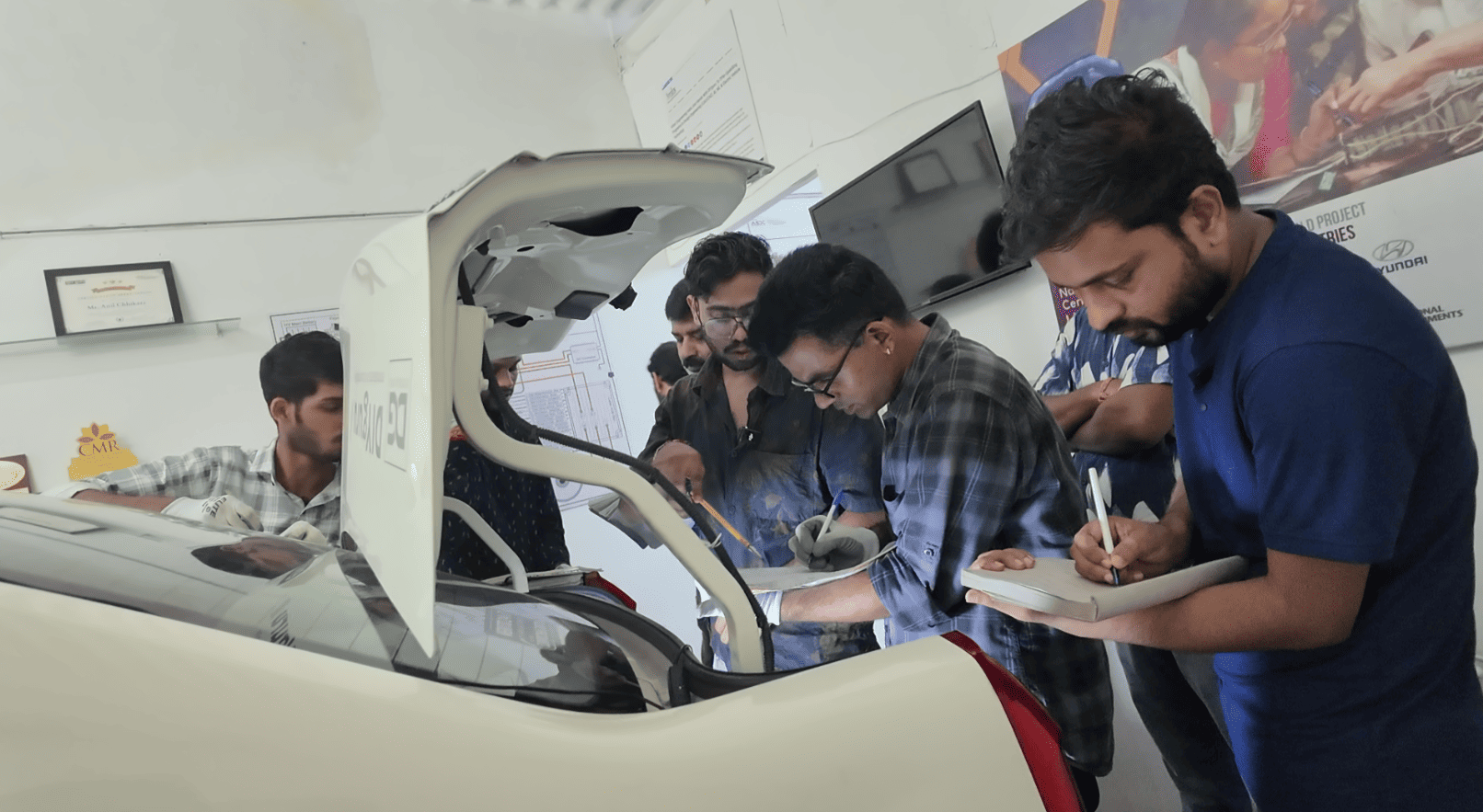
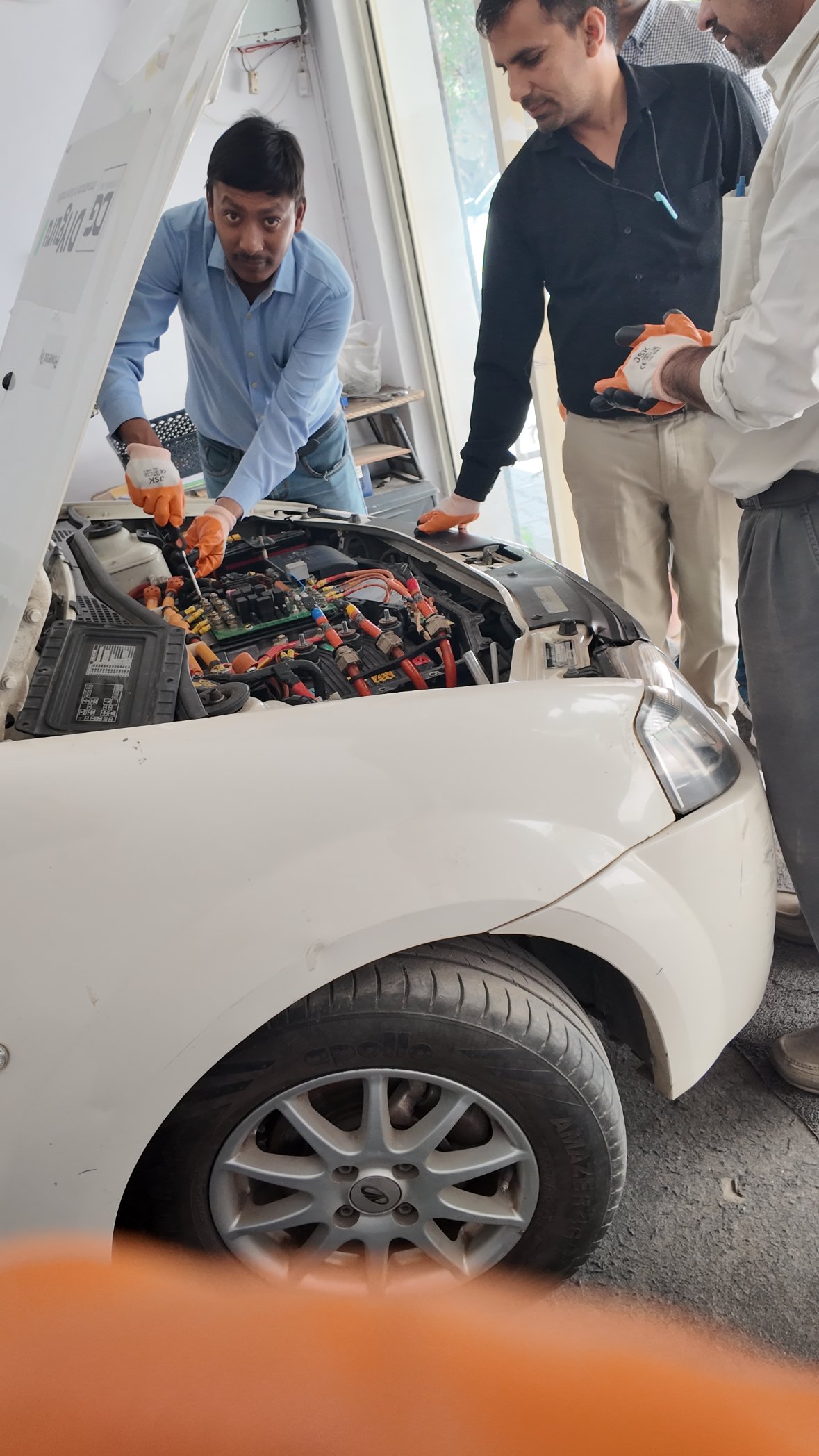
SECTION 2 · PROJECTIONS
Where India's EV Market is Headed — 2030 & Beyond
Multiple credible projections — from NITI Aayog, Ministry of Heavy Industries, and global research firms — point to one conclusion: India's EV market is on a multi-decade growth trajectory.
30%
EV penetration target by 2030
Government of India target across all vehicle modes (NITI Aayog)
1.3 Million
Public charging points needed by 2030
Required to support 30% EV penetration target
132 GWh
Annual Li-ion battery market by 2030
CAGR of 37.5% — JMK Research
1 Crore
Direct EV jobs by 2030
Plus 5 crore indirect jobs — Min. of Skill Development
USD 31 Bn
India EV market size by 2026
Growing at 52.56% CAGR through 2035 — Precedence Research
128 GWh
Recyclable battery volume by 2030
EVs to comprise 46% of this volume — NITI Aayog
India EV Market Growth Trajectory 2024–2030
Total annual EV sales (lakh units) — projected against 30% penetration target
Source: FADA (FY24–FY26 actuals) + NITI Aayog 30% penetration target trajectory · Projections extrapolated at compound growth rate
SECTION 3 · GLOBAL STATUS
The World EV Landscape — Where India Stands
India's EV journey is part of a global transition. Understanding where China, Europe, the US and emerging markets stand provides essential context for India's strategy.
EV Sales Share by Country — 2025
EV share of total new car sales (%) — selected countries
Sources: IEA Global EV Outlook 2025, Ember EV Leapfrog Report Dec 2025, FADA April 2026, Visual Capitalist Feb 2026
The Emerging Market Leapfrog
A profound shift is underway. In 2025, 39 countries reached an EV sales share larger than 10% — a third of which are outside Europe. In 2019, only four countries had reached this milestone, all within Europe. ASEAN markets like Vietnam, Thailand and Singapore have overtaken several Western economies on penetration.
India's role in this shift is twofold: as the fastest-growing 2W and 3W EV market globally, and as a critical manufacturing and skilling hub for Asia, Africa and the Middle East. Sales in India grew 45% year-on-year in early 2025, and DIYguru's own training programs are now active across 170+ countries.
India as the Skilling Hub for the Global South
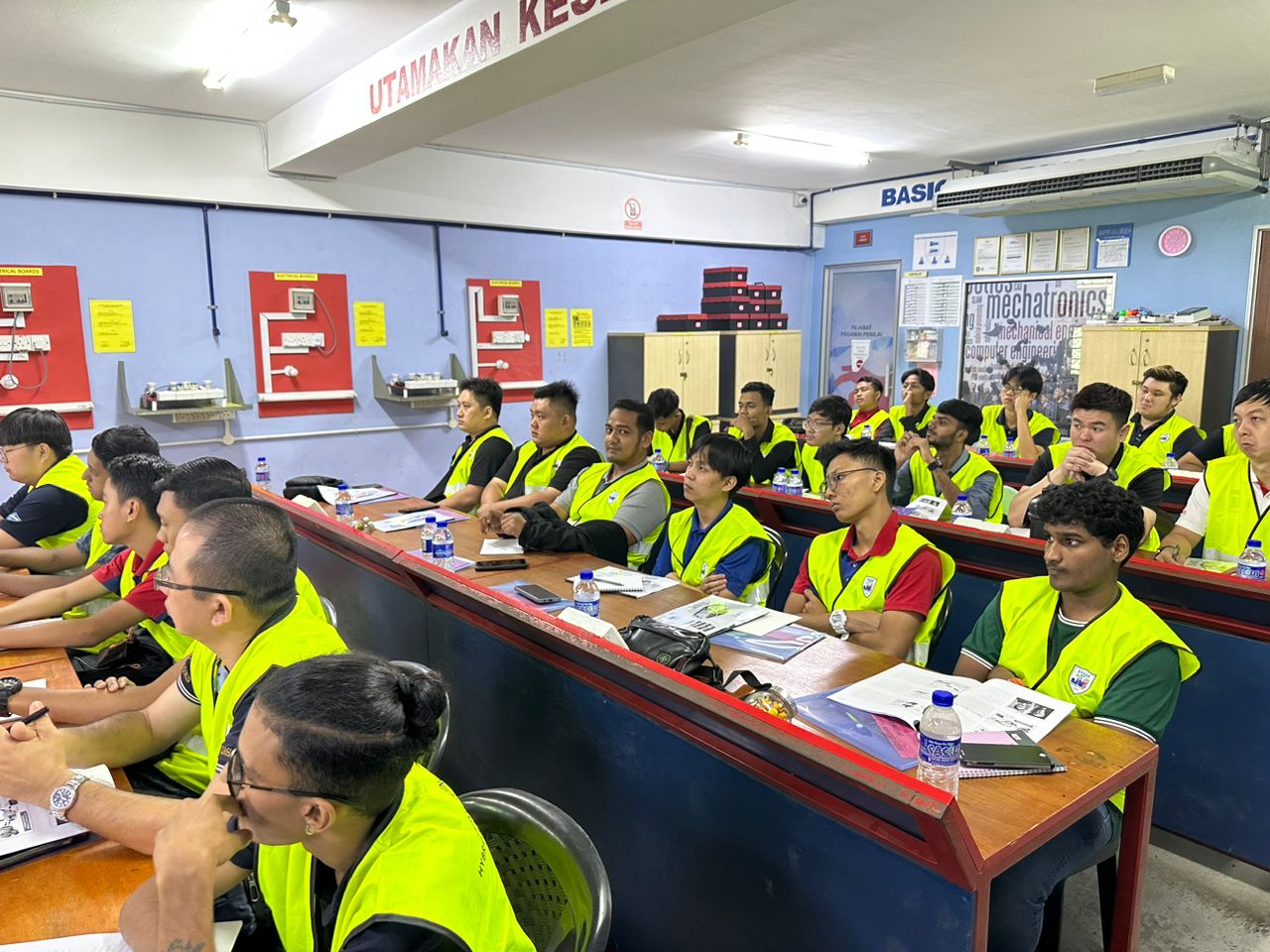
Beyond exports of vehicles, India is positioning itself as the EV skilling hub for the Global South. DIYguru programs are now delivered in Australia (au.emobility.academy), Fiji (with Vodafone M-PAiSA payments), Saudi Arabia, Malaysia, Nepal and across Africa.
Why does this matter? Emerging markets need affordable, locally-relevant EV training — not expensive Western certifications. India's blend of academic rigour (IIT partnerships) and price affordability creates a unique export proposition.
SECTION 4 · OPPORTUNITIES & CHALLENGES
The Twin Realities — Massive Opportunity, Real Challenges
India's EV transition is not without friction. Understanding both sides is essential for entrepreneurs, policymakers, investors, and skilled professionals.
🚀 Business Opportunities
- Charging Infrastructure (₹40,000+ Cr)India needs 1.3 million public chargers by 2030 — a massive CPO and EVSE manufacturing opportunity.
- Battery Manufacturing & PLI50 GWh PLI scheme to localise cell manufacturing — strong margins for Indian players willing to invest.
- Battery Recycling (USD 2 Bn by 2034)India's recycling market is at USD 531 Mn in 2026, projected to reach USD 1,996 Mn by 2034.
- EV Service Ecosystem30%+ of India's 4 lakh ICE workshops will need to be EV-ready — a ₹15,000 Cr retrofit and certification opportunity.
- Component ManufacturingBLDC motors, BMS, controllers, OBC — India still imports ~70% by value. Localisation is the largest single opportunity.
- Skilling & Training1 crore EV jobs by 2030 — current talent pipeline meets <10% of projected demand.
- Software & Connected MobilityVehicle telematics, fleet management, V2G integration — software layer is largely untapped.
- Export Hub for Global SouthIndia's affordable 2W/3W EVs are gaining traction in Africa, Southeast Asia, and Latin America.
⚠️ Challenges & Bottlenecks
- Charging Density GapCurrent ratio is ~1 charger per 235 EVs vs global benchmark of 1:10 — range anxiety remains real.
- Lithium Import DependenceIndia imports 100% of its lithium-ion battery needs — 5.9 MT domestic reserves discovered, but 8-10 year development timeline.
- Battery Black Mass OutflowMost Indian recyclers only produce black mass for export, losing ~₹300 Cr/year in cobalt, lithium, nickel value.
- Skill ShortageLess than 10% of ICE auto workforce has received EV-specific training. Service technician gap is acute.
- Standardisation LagMultiple charging standards (CCS-2, CHAdeMO, Bharat DC-001), inconsistent battery swap protocols.
- Grid ReadinessDistribution infrastructure in Tier-2/Tier-3 cities not yet ready for high-power DC charging clusters.
- Financing BarriersEV residual values still uncertain for fleet operators; loan tenures and interest rates remain unfavourable.
- Consumer Awareness GapTotal Cost of Ownership (TCO) advantages of EVs are still poorly communicated to first-time buyers.
SECTION 5 · CHARGING INFRASTRUCTURE
India's Charging Infrastructure — The PM E-DRIVE Era
Charging infrastructure is the single largest determinant of India's EV adoption pace. The PM E-DRIVE scheme has set the most ambitious national target ever.
₹10,900 Crore. 72,300 Chargers. Two Years.
The Government of India launched PM Electric Drive Revolution in Innovative Vehicle Enhancement (PM E-DRIVE) on October 1, 2024 with a total outlay of ₹10,900 crore. Of this, ₹2,000 crore is dedicated specifically to charging infrastructure.
For context, FAME-II supported approximately 9,300 chargers over five years. PM E-DRIVE targets 72,300 public chargers in just two years — an 8x acceleration. BHEL has been appointed as the nodal agency.
Subsidy structure: 100% at government premises with public access, 80% on upstream infrastructure plus 70% on EVSE at high-traffic locations like metros, airports, and highways.
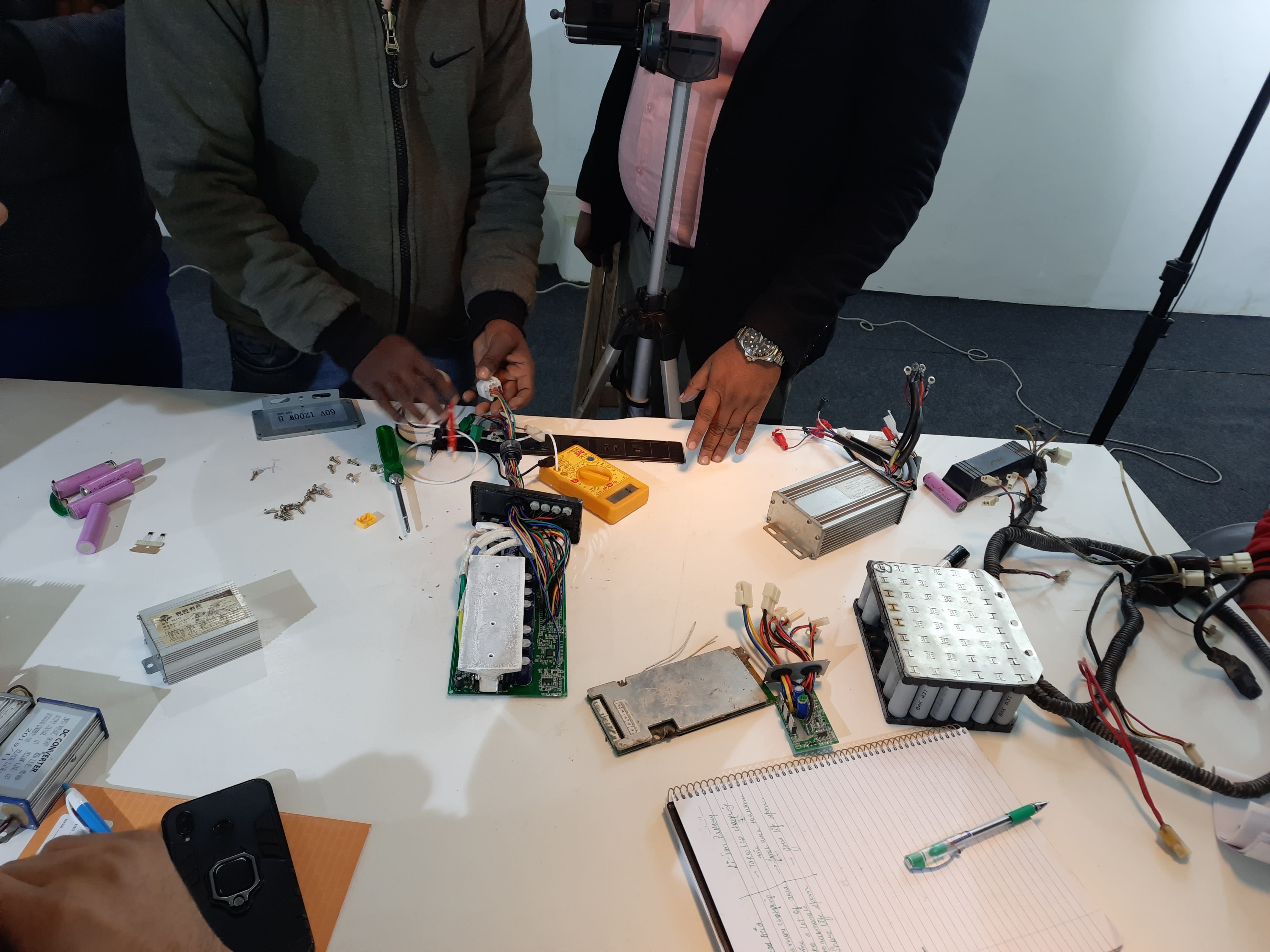
PM E-DRIVE Public Charging Station Allocation
72,300 total chargers · ₹2,000 Cr allocated · Target by March 2026
Source: PM E-DRIVE EV-PCS Operational Guidelines, Ministry of Heavy Industries, September 2025
State-Level Acceleration & Industry Partnerships
State EV policies are layering on top of central support. On April 11, 2026, the Government of National Capital Territory of Delhi released the Draft Delhi Electric Vehicle Policy 2026–2030, which mandates that every EV dealer in Delhi must operate at least one public charging station with a minimum of 3 charging points for 2W/3W and 2 points for 4W. Delhi already operates 3,535 electric buses out of 5,335 total by early 2026, with charging infrastructure expanded from a few hundred points in 2020 to approximately 9,000 by 2026.
Recent industry milestones: In December 2025, HPCL signed an agreement with V-GREEN to deploy EV charging across 24,400+ fuel retail outlets. Maruti Suzuki introduced a unified digital charging infrastructure spanning 2,000+ stations across 1,100 cities, aiming for 1,00,000 public stations by 2030. The combined trajectory points to charging becoming a non-issue in metros within 24 months.
SECTION 6 · RECYCLING & CIRCULAR ECONOMY
Battery Recycling — India's Most Underrated EV Opportunity
For every EV sold today, a battery will need management 8-10 years from now. India has barely begun building this infrastructure — making it one of the highest-margin opportunities in the entire EV value chain.
India Battery Recycling Market — 2026 to 2034
Market value (USD millions) · 17.98% CAGR · Source: Inkwood Research
Sources: Inkwood Research India Battery Recycling Market Analysis (Dec 2025), Mordor Intelligence (USD 235.57M by 2030 at 9.06% CAGR), NITI Aayog (128 GWh recyclable batteries by 2030)
The economics are stark. By 2030, NITI Aayog projects India will generate 128 gigawatt-hours of recyclable batteries, with EVs comprising 46% of this volume. The global battery recycling market is poised to reach USD 95 billion annually by 2040.
Yet India's current state is fragmented. India's recycling infrastructure remains notably underdeveloped, with current capacity standing at just 2 gigawatt-hours. Most recyclers produce only black mass for export — not only representing lost economic value but often employing sub-optimal recycling methods. In just one year since October 2022, India exported black mass containing approximately 350 tonnes of cobalt, 71.7 tonnes of lithium, and 215 tonnes of nickel — billions in lost economic value.
Key Players Building India's Recycling Ecosystem
Attero Recycling
India's top e-waste recycler with proprietary hydrometallurgical processes for diverse battery chemistries. Multi-state regional collection hubs and EV OEM partnerships.
Lohum Cleantech
End-to-end Li-ion lifecycle company — recycling, second-life storage systems, and material recovery for EV manufacturers across India.
BatX Energies
Develops domestic black mass processing capabilities — keeping value within India rather than exporting to international processors.
ACE Green
Building India's largest LFP battery recycling facility in Mundra, Gujarat — 10,000-tonne annual capacity using zero-emissions hydrometallurgy by 2026.
Tata Chemicals · Gravita India
Tata's entry validates recycling as legitimate industrial activity. Gravita brings decades of metal recycling expertise into the lithium era.
Battery Waste Management Rules 2022
Extended Producer Responsibility (EPR) framework — producers must take responsibility for collection, recycling, and safe disposal of all batteries placed in the market.
Second-Life Applications
An EV battery typically retains 70-80% of its capacity at the end of automotive life. The global second-life EV battery market is valued at USD 1.70 billion in 2026 and projected to reach USD 224.24 billion by 2040 at 41.72% CAGR. Use cases include grid-connected energy storage, backup power for telecom towers, residential solar storage, and off-grid rural electrification — all directly relevant to Indian conditions.
SECTION 7 · SERVICE ECOSYSTEM
EV Service Infrastructure — The Hidden Bottleneck
India has 4 lakh+ ICE workshops. Less than 5% are equipped to service EVs. Bridging this gap is the #1 hidden bottleneck in India's EV transition.
The 70,000 Technician Gap
EV servicing is fundamentally different from ICE servicing. There is no engine oil, no spark plugs, no clutch — but there is high-voltage DC, lithium-ion battery diagnostics, BMS recalibration, motor controller firmware updates, and CAN bus protocol troubleshooting. Each of these requires specialist training that did not exist in any ITI curriculum five years ago.
With over 14 lakh electric 2-wheelers and nearly 2 lakh electric cars sold in FY26 alone, India will have 70+ lakh EVs on the road by 2027. At a conservative ratio of 1 trained technician per 100 EVs, India needs at least 70,000 certified EV technicians by end of 2027 — versus the 5,000-8,000 currently estimated to be properly trained.
EV Service Technician Demand vs Supply — 2026 vs 2030
Trained EV technicians needed against current pipeline · Industry estimates
Industry estimates derived from FADA EV sales data, MSDE workforce projections, and DIYguru placement network insights
The 5-Layer Service Ecosystem India Needs
Layer 1: Service Technicians
Diploma/ITI level technicians trained on HV safety, EV diagnostics, battery service, and OEM-specific tooling. Largest volume need.
Layer 2: Workshop Infrastructure
HV-rated tools, insulated PPE, battery diagnostic benches, dedicated EV service bays — capex of ₹15-25 lakh per workshop.
Layer 3: Battery Diagnostics Labs
State-level battery health assessment labs that can certify pack health for warranty claims, second-life routing, and recycling.
Layer 4: Software / OTA
Connected vehicle diagnostics, OTA firmware updates, telematics-based predictive maintenance — most modern EVs are software-defined.
Layer 5: OEM Service Networks
Tata, Mahindra, Ola, Ather, MG building proprietary service networks. Independent multi-brand workshops will follow.
Skilling Backbone
ASDC, AICTE, NSDC, NEAT and partners like DIYguru deliver certification programs that feed all five layers above.
🏛️ THINK TANK & CONSULTING
DIYguru EV Policy & Consulting Practice
Beyond training, DIYguru operates as a policy advisory and consulting practice for governments, OEMs, MSMEs, and educational institutions navigating India's EV transition. Our work spans curriculum design, market entry strategy, skilling roadmaps, and policy submissions to national and state EV missions.
Government AdvisoryState EV policy drafts, PM-SETU/ITI transformation, skill mission inputs
OEM ConsultingWorkforce planning, dealer training, technical curriculum, GTM
Academic PartnershipsIIT/NIT/AICTE collaboration models, lab setup, faculty enablement
Industry ReportsEV market, charging infra, recycling, skilling — research & whitepapers
International ProgramsAustralia, Fiji, Nepal, Saudi Arabia EV training market entry
Skilling StrategyCorporate L&D for EV transition, B2B nanodegrees, certification design
Engage the DIYguru Team
We work with state EV missions, automotive OEMs, Tier-1 suppliers, MSME clusters, ITIs, and international partners. Our advisors include faculty from IIT Delhi, IIT Jammu I3C, ASDC leadership, and EV industry veterans from Bosch, Hyundai, Tata.
IIT Jammu I3C
ASDC
AICTE NEAT
NSDC
NITI Aayog
Bosch
Hyundai
Tata
FICCI
Govt of Maharashtra
Talk to Our Consulting Team →
SECTION 9 · LEARN & UPSKILL
Build Your EV Career — DIYguru Programs
India's largest EV training catalogue. From foundational courses to M.Tech degrees — every program is ASDC certified, IIT-faculty reviewed, and tied to the emobility.careers placement network.
🎓 Flagship Long-Form Programs
M.Tech Degree · 24 Months
M.Tech in Electric Vehicle Technology
UGC-recognized · ADYPU partnership → PG Certificate · 12 MonthsPG Certificate in EV & Embedded Systems Engineering
IIT Jammu · 100% placement assistance → Flagship Course · 6 MonthsElectric Vehicle Course (IIT Jammu × ASDC)
India's #1 EV course · 4.8★ from 5,345 learners →🔋 Specialised Nanodegrees (6 Months)
Nanodegree
Battery & BMS Design, Analysis & Simulation
IIT Jammu · Pack Workshop → NanodegreeEV Design, Simulations & Analysis (MATLAB)
134+ hours · Simscape → NanodegreeEmbedded Systems Design for EV
Hardware kit · ARM Cortex → NanodegreeADAS & AUTOSAR for Automotive & EV Systems
Sensor fusion · Autonomous → NanodegreeEV Automotive Design & Dynamic Analysis
SolidWorks · ANSYS · Alias →⚡ Professional Certifications (3 Months)
Prof Certification
Battery Technology & Powertrain Engineering
ASDC · 3 months → Prof CertificationCharging Technologies & Hydrogen Fuel Cell
EVSE · CCS-2 · H₂ → Prof CertificationMotor Drive & Control Systems
Power electronics · Torque control → Prof CertificationEV Sales & Marketing
For MBA / business roles →🛠️ Hands-On Workshops & Technician Programs
Technician · 2 Months
Certified Electric Vehicle Technician (CEVT)
No degree required · ITI/Diploma friendly → Workshop · 5 Days2-Wheeler EV Workshop
Test bench · EVSE kit → Workshop · 5 Days4-Wheeler EV High-Voltage Safety
CAN bus · HV protocols → Free CourseBattery & BMS — Free Introductory Course
Start your EV journey at zero cost →
FAQ
Frequently Asked Questions
The most common questions about India's EV landscape, opportunities, and pathways.
India's total EV retail sales reached 24.52 lakh units in FY2026, growing 24.6% year-on-year (Source: FADA, April 2026). This includes 14.01 lakh electric 2-wheelers, 8.30 lakh electric 3-wheelers, 1.99 lakh electric passenger vehicles, and 19,454 electric commercial vehicles. Electric passenger vehicle sales surged 83.63% YoY — the fastest-growing segment.
In passenger EVs (FY26), Tata Motors leads with 78,811 units, followed by JSW MG Motor (53,089 units) and Mahindra (42,721 units) — together holding 87.3% market share. In electric 2-wheelers, TVS Motor leads (3.41 lakh units), followed by Bajaj Auto (2.89 lakh) and Ather Energy (2.39 lakh).
PM E-DRIVE (Prime Minister Electric Drive Revolution in Innovative Vehicle Enhancement) is the Government of India's flagship EV scheme, launched on October 1, 2024 with a total outlay of ₹10,900 crore. Of this, ₹3,679 crore is for vehicle subsidies, ₹2,000 crore is dedicated to charging infrastructure (targeting 72,300 public chargers), and the rest covers e-buses, e-ambulances, testing labs, and capacity building. The scheme was extended through March 2028 for several categories.
India currently has approximately 30,000+ public charging stations, with a charger-to-EV ratio of about 1:235 — far below the global benchmark of 1:10. To support the national 30% EV penetration target by 2030, India needs an estimated 1.3 million public charging points. The PM E-DRIVE scheme alone targets 72,300 public chargers by March 2026.
Globally, China leads with 53%+ EV sales share (13.2 million units), followed by Norway (~97%), Sweden (~61%), Germany and Vietnam (~40%), the EU (~25%), and the US (~10%). India is at ~8% overall EV penetration with 4.2% in passenger vehicles — but it is the fastest-growing 2W and 3W EV market globally, with 24.5 lakh+ EVs sold across all categories in FY26.
India's battery recycling market is estimated at USD 152.68 million in 2025, projected to reach USD 235.57 million by 2030 (Mordor Intelligence) — with broader projections from Inkwood Research seeing the market reach USD 1,996 million by 2034 at 17.98% CAGR. By 2030, NITI Aayog projects India will generate 128 GWh of recyclable batteries with EVs comprising 46% of this volume. Key players include Attero Recycling, Lohum Cleantech, BatX Energies, Tata Chemicals, Gravita India and ACE Green.
The Ministry of Skill Development & Entrepreneurship projects that India's EV sector will create 1 crore (10 million) direct jobs and 5 crore (50 million) indirect jobs by 2030. Roles include battery engineers, BMS developers, powertrain engineers, EV technicians, charging infrastructure specialists, and EV sales professionals. Currently, less than 10% of India's ICE auto workforce has received EV-specific training — making upskilling India's most acute EV need.
Yes. Beyond training, DIYguru operates as a policy advisory and consulting practice for state EV missions, OEMs, Tier-1 suppliers, MSME clusters, ITIs, and international partners. Services include EV policy drafting inputs, workforce planning, dealer training programs, curriculum design, lab setup, GTM strategy, and international market entry (Australia, Fiji, Nepal, Saudi Arabia). Reach out via WhatsApp at +91-9910918719 or visit our offices in Delhi (Sultanpur) and Bangalore (JP Nagar).
Your starting point depends on your background. For students/freshers (B.E./B.Tech): start with the flagship Electric Vehicle Course (6 months, IIT Jammu × ASDC) or PG Certificate in EV & Embedded Systems (12 months). For working professionals from ICE auto: pick a 3-month Professional Certification in your domain (Battery & Powertrain, Motor Drive, or Charging). For ITI/Diploma holders: the Certified EV Technician (CEVT) program is the right entry. For MBA/sales professionals: the EV Sales & Marketing certification. For complete beginners: try our free Battery & BMS course first.
Be Part of India's EV Decade
Whether you're a learner, a policymaker, an OEM, or an entrepreneur — DIYguru is the partner trusted by 50,000+ professionals, 300+ companies, and government bodies across 170+ countries.
Our Clients
Trusted by 528+ Companies & OEMs
From global automotive OEMs and Tier-1 suppliers to EV startups, government bodies, and Fortune 500 companies.


Swipe to see more partners
Showing 39 of 528+ corporate training partners
Accreditations
Programs Recognised by Govt. Bodies & Industries
DIYguru is recognized and endorsed by major educational and governmental organizations including the Ministry of Education, NITI Aayog, and NEAT AICTE for its commitment to upskilling in automotive and EV technologies. The institute also collaborates with industry leaders like TATA Technologies and the Ola Mobility Institute to ensure the relevance and practicality of its training programs.


Swipe to see more accreditations
In The Media
DIYguru in the Press
ANI News
IIT Jammu Enters Into Collaboration With DIYguru To Launch Certificate Programs in EV Sector
Read →
PTI News
Tata Technologies Partners With DIYguru for Industry-Relevant E-Mobility Programs
Read →
The Print
DIYguru Partners With L&T Edutech for E-Mobility Training — Hardware-Enabled PG Program
Read →
Times of India
DIYguru and ADYPU Launch M.Tech Program in Electric Vehicle
Read →
Economic Times
DIYguru and Ajeenkya DY Patil University To Launch Integrated PG, M.Tech in EV
Read →
India Education Diary
AICTE–DIYguru MOU To Provide Jobs To One Million EV Workforce
Read →
Autocar Professional
ASDC & DIYguru Launch Nanodegree Program To Upskill Students in EV Technology
Read →
SiliconIndia
Tata Technologies & DIYguru Join Forces To Power India's Next-Gen eMobility Talent
Read →
TV9 Hindi
इलेक्ट्रिक कारों के मैकेनिक की बढ़ रही मांग — DIYguru से बना सकते हैं करियर
Read →
Zee News
Great Opportunity To Earn in the World of Electric Vehicles — Training & Method
Read →
National Skills Network
Roundtable on Skill Development for Electric Vehicles — DFID, ASDC & SSOU
Read →
Hindustan
DIYguru से हार्डवेयर सक्षमता के साथ EV बिजनेस और इंजीनियरिंग सीखें
Read →
Watch DIYguru
Lab Tours, Placements & Real Stories
🔧 Hands-On
EV Hands-on Training in Pune on Tata Tiago EV 🚘🔧

🎓 Placement
Build Your Career in the EV Industry Like Prabhat Gautam!
🏭 Lab Tour
DIYguru Lab Tour — E-Mobility Hardware Lab

🔩 Hardware
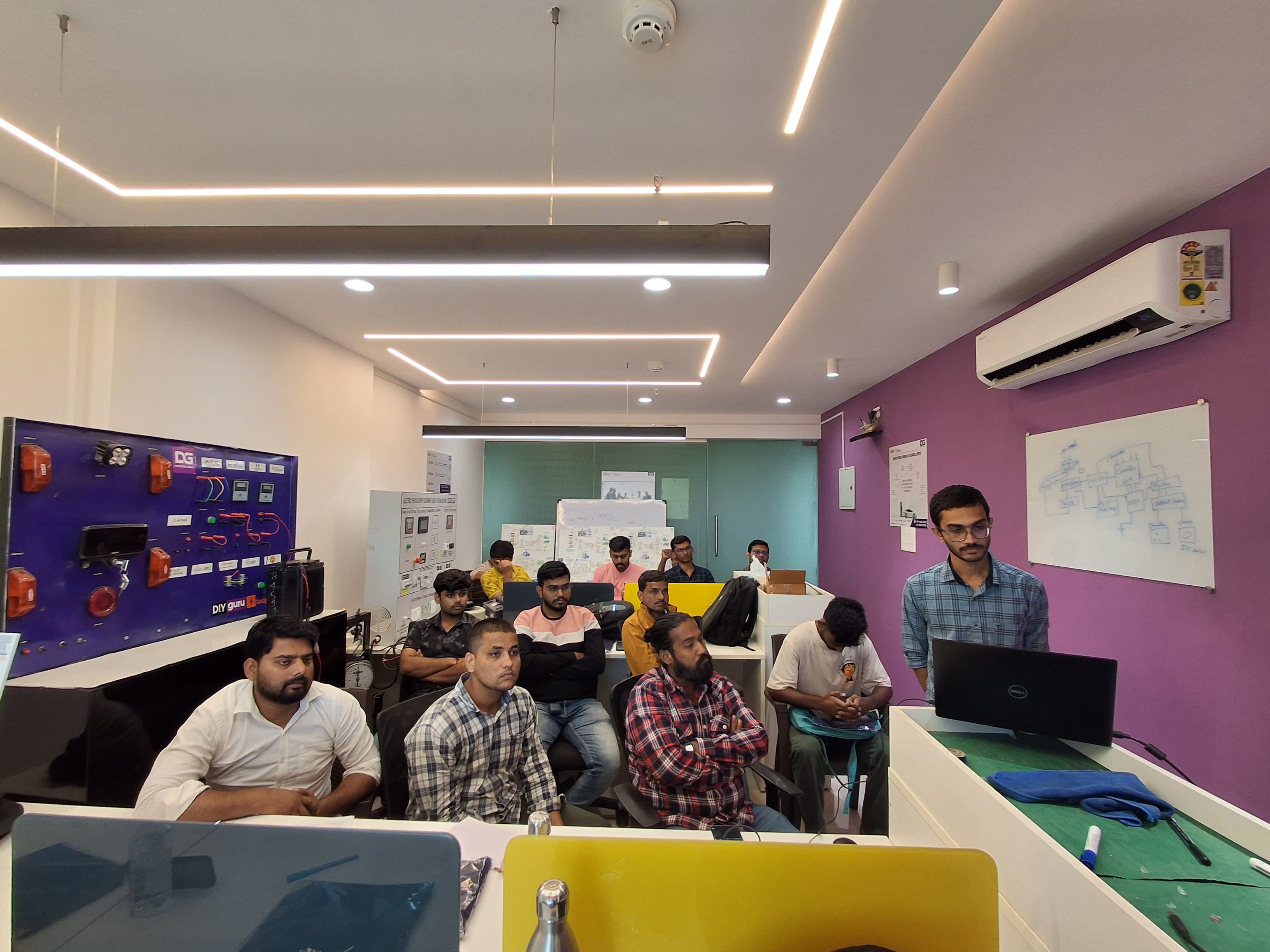
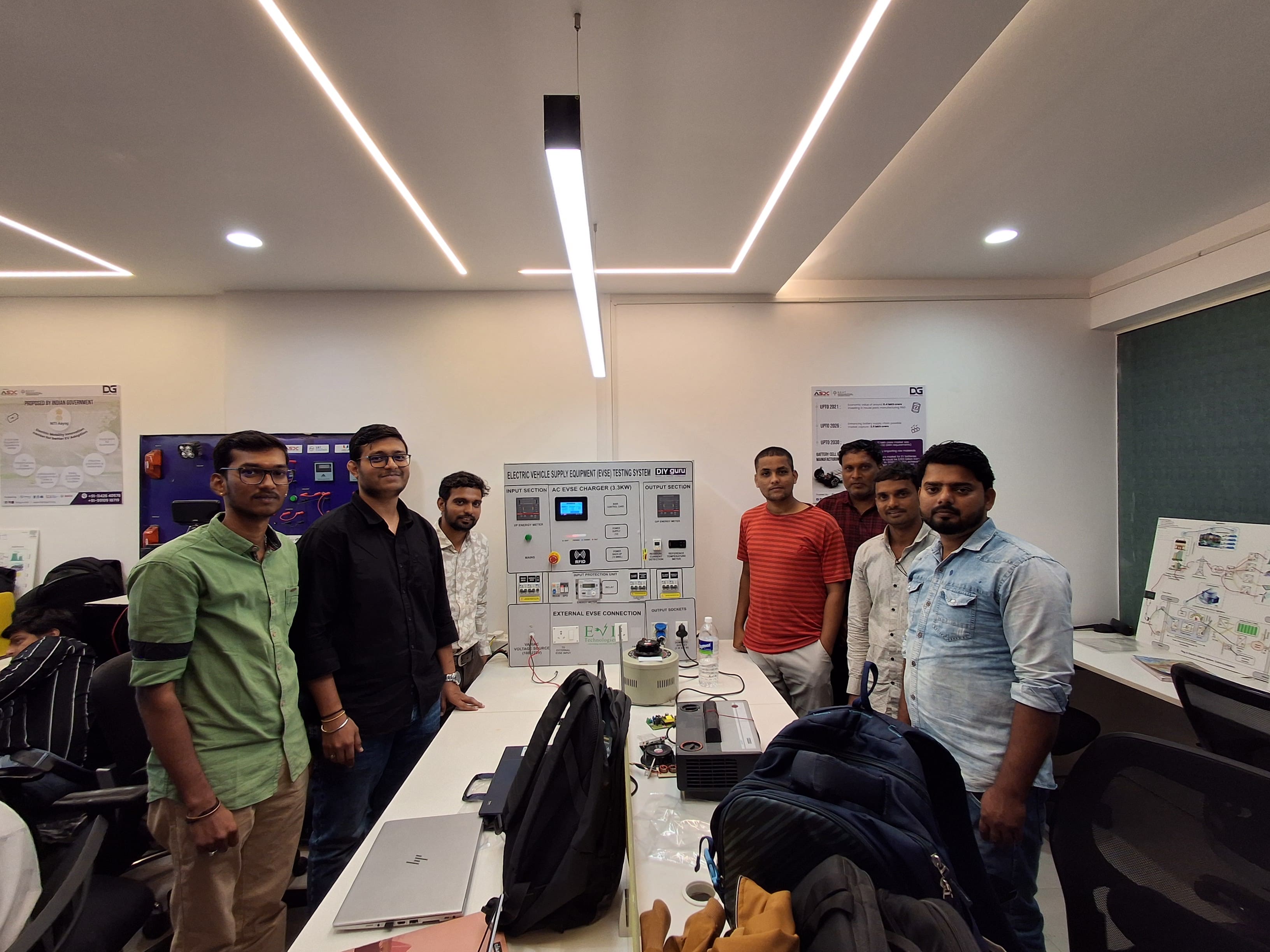
Introducing the Ultimate EV Training Kit by DIYguru & EVI Technologies

🌟 Alumni
Empowering Futures: Nitin Agarwal's Journey with DIYguru in EV

🚀 About Us
Welcome to DIYguru — India's #1 E-Mobility & FutureTech Platform

📊 Placement
Placement Spotlight: A Journey of Skills, Sustainability & Smart Choices

💬 Story
This Is More Than a Career Story — When Learning Meets Purpose

🌍 International
Mustafa From North Africa 🔥🔥 — Global EV Training
🎤 Masterclass
THE FAST TRACK TO AN EV CAREER — Masterclass by Avinash Singh
Ready to build your EV career? Talk to our counsellors today.
BOOK FREE CONSULTATION →
Your journey starts here.
DIYguru is India's leading AICTE-approved platform, equipping engineers, graduates, and professionals with the future-ready skills needed in Electric Vehicles (EVs), Battery Technology, Solar Energy, Green Hydrogen, and Clean Mobility.
Whether you're starting out or shifting your career toward sustainability — your journey begins here.
Why Choose DIYguru?
- AICTE-Approved Certifications
- Industry-Curated Courses (EV, Battery Design, Solar, Embedded Systems, BMS, MATLAB & more)
- Project-Based Learning using real case studies from Tesla, Tata Motors, Ather, and others
- Global Opportunities – Connect with 300+ hiring partners and international universities
- Work on Real-World Tools like MATLAB, SolidWorks, Python, Simulink, Ansys
Your journey starts here.
Ready to Begin? Drop your info, and we'll help you get there!
🔒 Your information is secure and will never be shared.
🎬 Unlock This Video
Enter your details to watch
Get instant access + free EV career guidance from our counsellors.
Please fill all fields correctly.
🔒 Your data is secure. We'll send you free EV career resources.


Let's Connect
Training programs · B2B partnerships · College workshops
Certification
Programs
Programs
B2B Corporate
Training
Training
College
Workshops
Workshops
Partnership &
Collaboration
Collaboration
Your data is secure · No spam · Expert callback within 2 hours